What is blush? Everything you should know about blush


What is a blush?
Blush – also called rouge or cheek colour – is makeup that brings glow and freshness to the face. The colour also defines the contours of the face. Blush is therefore the perfect addition to your makeup look. ECOOKING Blush is a creamy blush stick that is easy to apply, blends well into the skin and lasts a long time. It is made with apricot kernel oil, almond oil, coconut oil and vitamin E. A caring formula that both nourishes and beautifies at the same time. Vegan, dermatologically tested and fragrance-free.
See our lovely selection of blush
How do you decide which colour to choose?
Blush colours can be divided into cool and warm shades. Choose your blush according to whether you have a warm, cool or neutral undertone.
Not sure what your skin tone is? Try choosing a colour based on the colour of your cheeks when you blush or have been physically active, for example (you can give them a little pinch), or look at your lips: their colour is a good indication of which blush colour to choose.
Meet our five beautiful colours here
BLUSH 01 - Peach/coral with a warm undertone and subtle golden glitter.
BLUSH 02 - Pink/rose with a cool undertone.
BLUSH 03 - Brown with a warm undertone.
BLUSH 04 - Brown with a neutral undertone.
BLUSH 05 - Pink with a cool undertone.

Blush
Fragrance-free cream blush with a natural glow that is easy to apply, blends ...
How do you use blush?
You can apply blush with a brush, your finger or directly to the skin with the stick itself.
Where should you apply blush?
If you have a long face or want to add more fullness, you can apply your blush to the apple of your cheek. Apply the blush to your brush and dab it on. This rounds the cheeks and creates a fuller look. If, on the other hand, you have a round face or want to give your face a lift, you can apply your blush in upward strokes instead. Start from the middle of the cheek and work up towards the temple. This creates a more lifted look.
TIP: Remember that you can always tone down your blush by blending it well with the brush or dabbing over it with your fingers.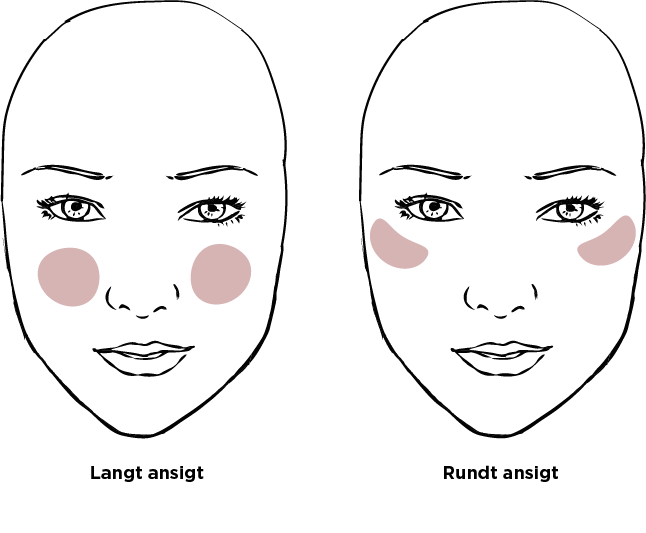
Video guide:

