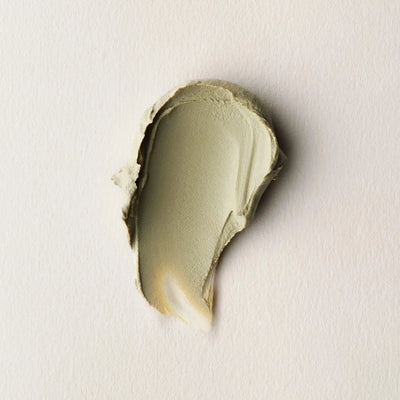
Natural clay (Clay (illite))
INCI: Illite
Binds excess oil on the skin's surface
Moderate evidence: clinical studies
At a glance
- Suits
- Oily and combination skin
- Helps with
- Oily skin, Impurities on the skin's surface
- Pairs well with
- Natural algae extract, Niacinamide
What can natural clay help with?
Oily skin
In a study without a control group involving 75 adults, sebum levels decreased after 4 weeks of using a mask containing kaolin and bentonite.[1]
Impurities on the skin's surface
Clay binds oil and dirt on the skin's surface, which are removed when the mask is rinsed off.
How it works
How to use it
- Apply an even layer to cleansed skin.
- Follow the instructions on the mask for how long to leave it on.
- Rinse off with lukewarm water and finish with moisturiser.
Frequently asked questions
A fine mineral powder from the earth, consisting of small, flat particles. Clay forms when rocks break down over a very long time.
Minerals such as silicate, including potassium, magnesium and iron. The composition depends on the type of clay.
Illite is a mineral type of clay used in face masks, among other products.
1–2 times a week is enough for most people. Use it less often if your skin is dry.
Clay removes some of the oil on the skin's surface. If your skin feels dry or tight after use, you can use the mask less often or only on oily areas.