Vitamin A
INCI: Retinol, Retinyl Palmitate, Hydroxypinacolone Retinoate
Can make fine lines less visible
Good evidence: randomised trials
At a glance
- Suits
- Normal, dry and mature skin
- Helps with
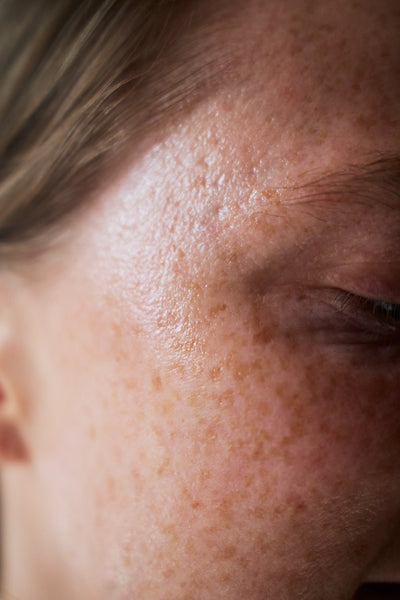
- Fine lines, Pigmentation spots
- Pairs well with
- Hyaluronic acid, Niacinamide, Panthenol, Ceramide NP, Squalane
- Found in
- 4 ECOOKING products
What can Vitamin A help with?
Fine lines
In placebo-controlled studies, retinol reduced fine lines: 0,075 % on the face after 26 weeks and 0,4 % on the arms of older people after 24 weeks.[3][4]
Pigmentation spots
A 12-week study showed less pigmentation with 0,5 % retinol; the study compared it with bakuchiol and had no placebo group.[2]
How it works
How to use it
- Start with 2–3 evenings a week and build up slowly.
- Apply a cream on top if the skin becomes dry.
- Use sunscreen during the day.
- Avoid vitamin A products if you are pregnant or breastfeeding.
Products with Vitamin A

Clay Mask
Fragrance-free clay mask for blemishes and large pores that deeply cleanses t...

Firming Cream SPF 50
Day cream with SPF 50 that gives visibly firmer skin in four weeks and protec...

Retinol Serum
Pure retinol in capsules that reduces fine lines, pigmentation spots, pores a...

Vitamin A Treatment
Fragrance-free cream for fine lines and wrinkles that gives visibly smoother,...


Frequently asked questions
Retinol Serum contains retinol, Vitamin A Treatment contains HPR, and Clay Mask contains retinyl palmitate. All three are forms of vitamin A.
Retinyl palmitate is a form of vitamin A in which retinol is bound to a fatty acid. The skin must convert it in several steps before it becomes retinoic acid.
The EU has set limits on how much retinol, retinyl acetate and retinyl palmitate skincare products may contain. New products containing them must also carry the text “Contains vitamin A. Consider your daily intake before use.” If you take vitamin A supplements, take those into account.
Most products with vitamin A are used in the evening. Follow the instructions on the product and use sunscreen during the day.
Sources
- Evidence for the Efficacy of Over-the-counter Vitamin A Cosmetic Products in the Improvement of Facial Skin Aging: A Systematic Review (Journal of clinical and aesthetic dermatology, 2021)
- Prospective, randomized, double-blind assessment of topical bakuchiol and retinol for facial photoageing (British journal of dermatology, 2019)
- Improvement of photoaged facial skin in middle-aged Japanese females by topical retinol (vitamin A alcohol): a vehicle-controlled, double-blind study (Journal of dermatological treatment, 2009)
- Improvement of naturally aged skin with vitamin A (retinol) (Archives of dermatology, 2007)